

Build Your Foundation
Before applying for Hollywood CPR’s Emerging Crew Program, candidates should be prepared to work in a professional, union-level production environment.
Applicants typically have:
A working understanding of professional set culture, department roles, and crew expectations
A portfolio that shows hands-on experience related to their selected craft
At least 200-300 hours of relevant craft experience gained through coursework, productions, or related work
Industry professionals who have directly observed their work and are willing to recommend them for an entry-level position on a union production
Candidates who are still building this foundation are encouraged to begin with one of Hollywood CPR’s approved pipeline programs. Hollywood CPR works with community college and community partners to develop readiness programs that help participants:
Turn coursework and project experience into a professional craft portfolio
Build technical, safety, and workplace fundamentals
Develop relationships with peers and working industry professionals
Learn how to find and complete work as a freelance, project-based crew member
Understand the expectations and scale of professional union production work
Build a more competitive application for Hollywood CPR’s Emerging Crew Program
Completing a pipeline program does not guarantee acceptance into Emerging Crew or job placement, but it provides a structured way to build the experience, relationships, and evidence of readiness considered during the application process.
Pipeline Partners
-
![]()
Los Angeles Community College District
Available to anyone at any stage in their career, Hollywood CPR partners with the Los Angeles Community College District (LACCD) to help students transition from academic training programs into professional production environments.
Through this collaboration, students gain access to industry-informed curriculum and hands-on learning opportunities that build the portfolio materials and references required to apply to paid on-the-job training opportunities with Hollywood CPR.
Scroll Down to Learn More
-
![]()
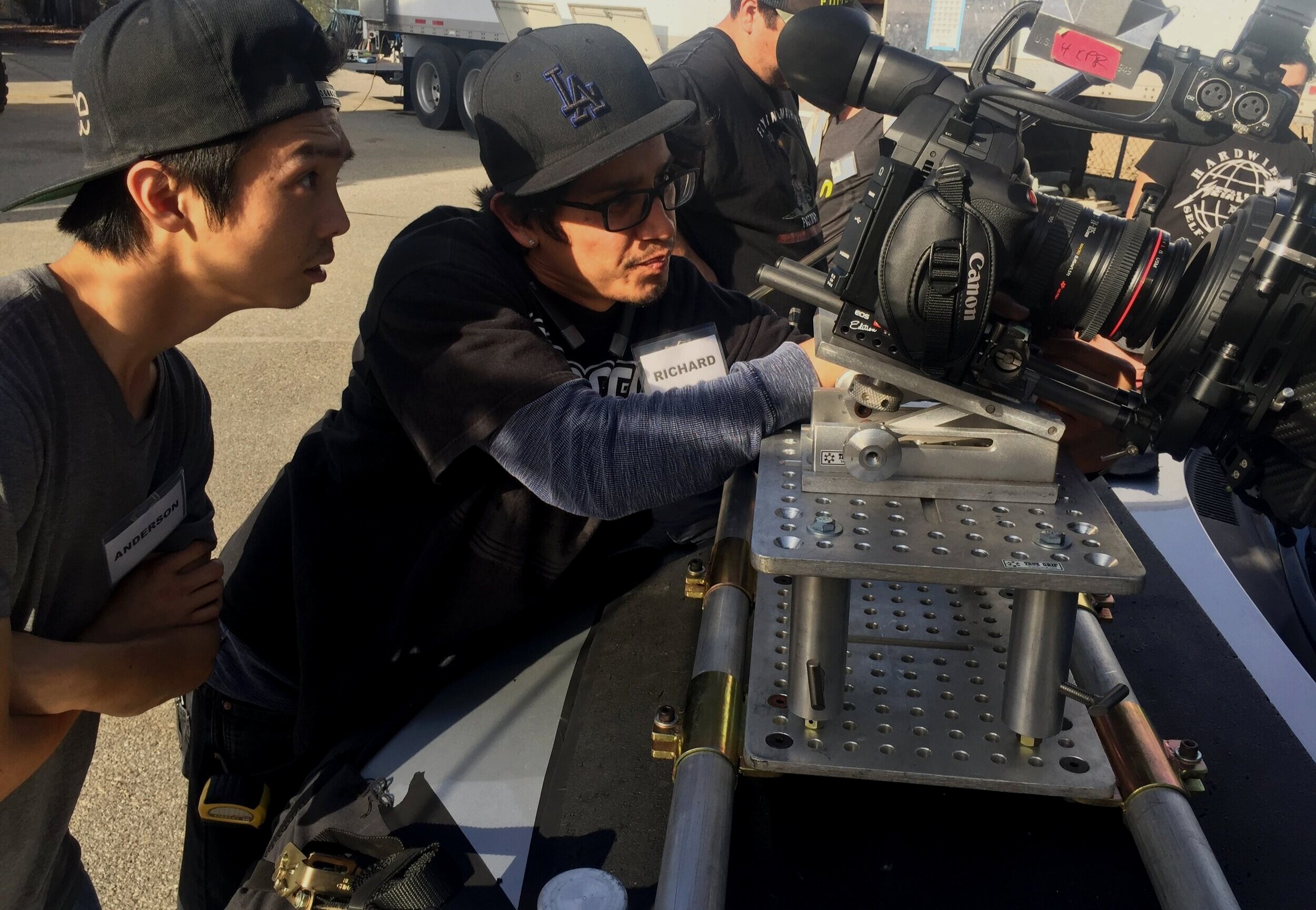
Roybal Film & Television Magnet x INDSTRY
Roybal Film & Television Magnet and INDSTRY partner with Hollywood CPR to introduce students to careers in film and television production.
This model provides early exposure to union-track opportunities, foundational understanding of set protocol and safety, and clear visibility into how production careers actually work. Through INDSTRY’s national education network, this approach is now being scaled to reach high school students nationally.
-
![]()
Anti-Recidivism Coalition
For more than 15 years, Hollywood CPR has partnered with the Anti-Recidivism Coalition (ARC) to expand access to production careers for individuals impacted by the justice system.
Together, we have created pathways that have connected hundreds of returning citizens to hands-on industry experience, professional mentorship, and union-aligned career opportunities that help individuals transition into stable, high-wage employment within California’s creative economy.
-
![]()
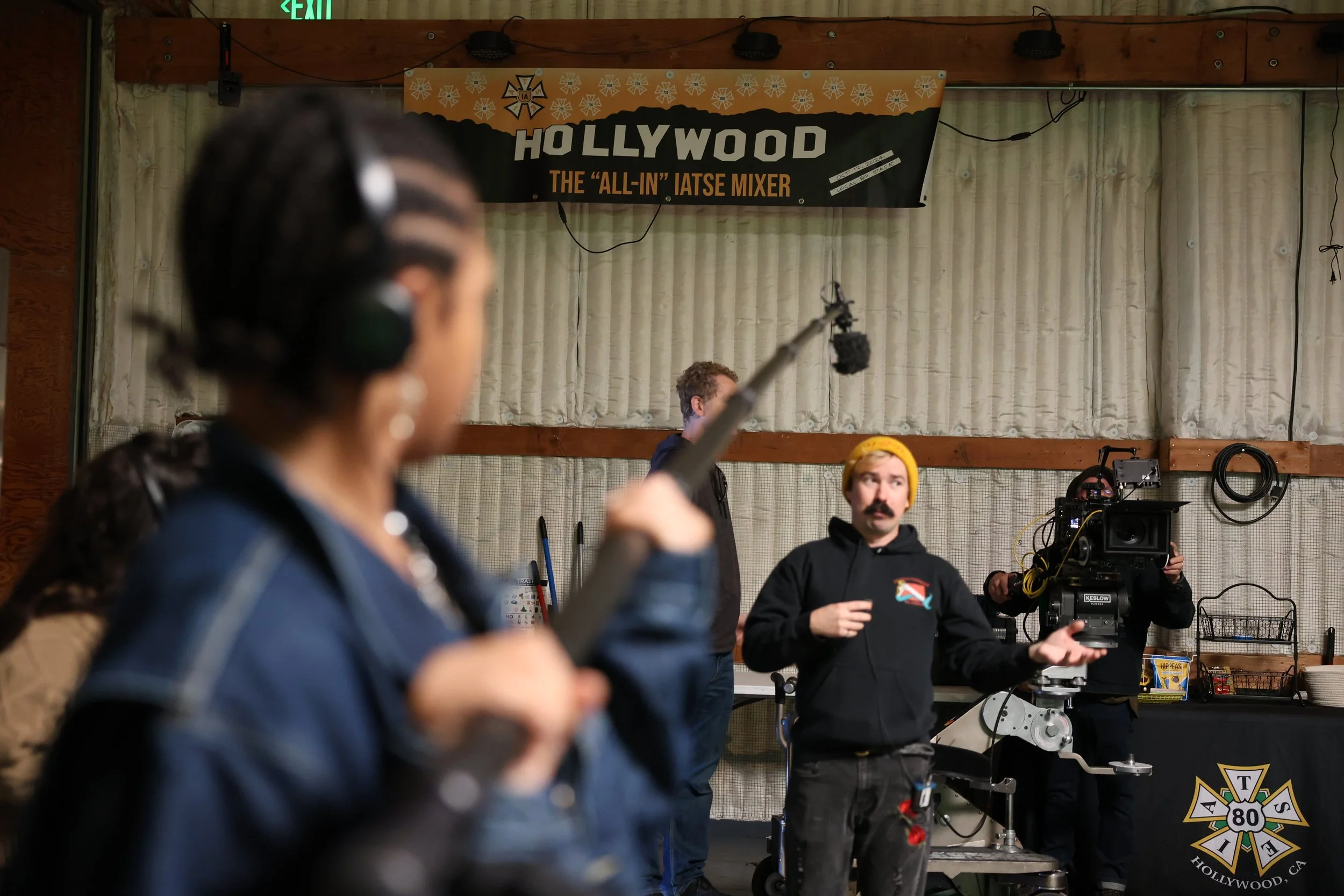
IATSE Master Class
Successfully implemented in partnership with the Los Angeles Unified School District (LAUSD), our IATSE Master Class is a one-day immersive experience designed to give aspiring crew members a realistic introduction to film and television production with hands-on instruction and mentorship from IATSE department heads.
This program can be delivered through schools and workforce programs seeking to provide meaningful industry exposure and team building opportunities.
-
![]()
More Coming Soon!


Get Started
Aspiring Crew can learn more about Hollywood CPR by enrolling directly in the next FLM PRD 100. This is a course offered publicly in partnership with the Los Angeles Community College District (LACCD) at Trade Tech and West Los Angeles College. HCPR staff are working to expand these offerings district wide.
HCPR cannot answer any questions related to college enrollment or financial aid. Specific campuses may require additional courses based on the program. Please inquire directly with the production certificate program based on your pathway of interest.
Those who are not ready to participate in FLM PRD 100 may complete an interest form.